
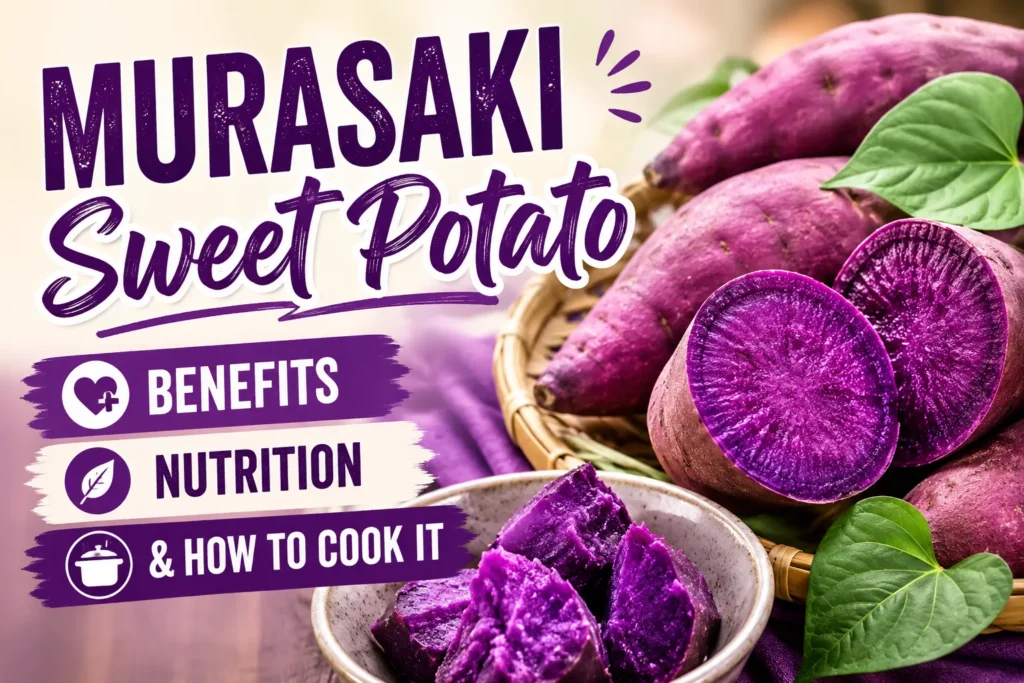
There is something truly simple and satisfying about fresh Murasaki sweet potato, which has creamy white flesh hidden beneath deep purple skin. Oh, I just love its mild, sweet, nutty flavor that feels quite different from the usual sweet orange potato. It has become my favorite for simple homemade meals and healthy recipes.
I first tried Murasaki sweet potatoes as a roasted side dish, and their rich texture immediately caught my attention. They are filling, naturally sweet, and you can cook them in many ways.
Originally developed in Louisiana and now widely grown in California, Murasaki sweet potatoes combine beautiful appearance, rich flavor, and excellent nutritional content.
What Is a Murasaki Sweet Potato?
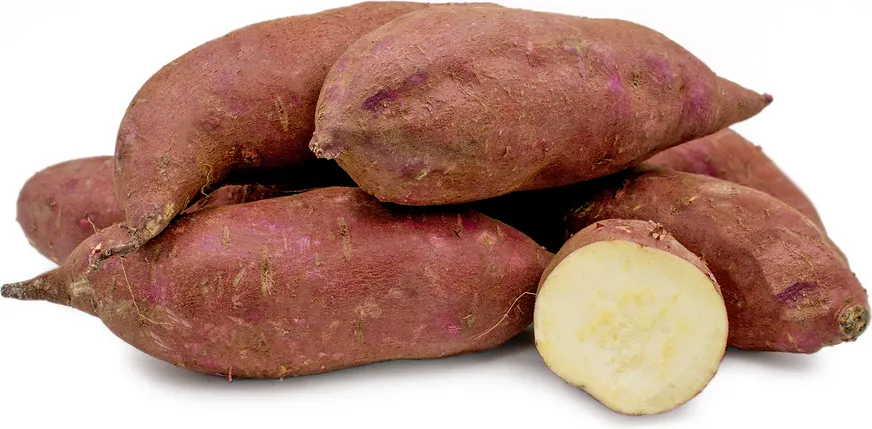
The Murasaki sweet potato, scientifically known as Ipomoea batatas, is a unique variety that is recognized for its amazing dark purple skin and creamy white flesh. The word “Murasaki” means “purple” in Japanese, inspired by its vibrant outer color. As compared to orange sweet potatoes, it has a drier texture, delicate sweetness, and rich nutty flavor when cooked.
Although its name sounds Japanese, this was developed in the United States at Louisiana State University’s Sweet Potato Research Station by Professor Donald La Bonte during the early 2000s.
It was developed to offer better flavor, stronger disease resistance, higher crop yield, and improved farming performance. Officially introduced in 2008, these are now mostly grown in California, while the research station continues its dedicated work in sweet potato cultivation and development.
What Is the Nutritional Value of Murasaki?
The Murasaki sweet potato is enriched with a lot of essential nutrients: They are naturally:
1. Rich in Complex Carbohydrates:
A portion of 100 gm of Murasaki sweet potato may contain up to 17-20 grams of carbohydrates. Such a kind of carb gives your body gradual and constant energy as natural carbs take time to break down, which will keep you full and energized for a longer period of time.
2. Excellent Source of Dietary Fiber
By eating this amazing food, you get around 3-4 gm of dietary fiber, which covers around 12-15% of your daily fiber needs. It simply means that you will stay satiated for a longer time, and its natural fiber helps improve your digestive system.
3. Excellent Source of Vitamin A
High levels of vitamin A and carotenoids mean you can receive over 100% of the daily recommended intake from a single serving. Vitamin A is important for maintaining the skin’s natural elasticity.
4. High in Antioxidants
The murasaki potato’s bright, dark purple skin contains a natural antioxidant called anthocyanins, which work as a shield, safeguarding the body from oxidative stress and free radical damage.
5. Vitamin C
It is naturally a good source of vitamin C that can complete 40% of the daily recommended intake of vitamin C. It helps in enhancing collagen production, which effectively helps in making your skin healthy and wrinkle-free, and also improves the body’s immune system.
6. Potassium
Deep purple-skinned Japanese sweet potatoes naturally contain potassium, which assists the body in maintaining balanced blood pressure, supporting healthy muscle movement, and keeping your body properly hydrated throughout the day.
7. Naturally Low in Fat and Calories
The naturally occurring low calorie, fat, and cholesterol content of murasaki sweet potatoes helps maintain good cholesterol levels. A serving of 100 grams of murasaki sweet potatoes contains between 80 and 90 calories.
Nutritional Value of Murasaki
| Nutrient | Amount | % Daily Value |
| Energy | 79 kcal | 4% |
| Carbohydrates | 17.3g | 7% |
| Dietary fibers | 4.44 g | 11% |
| Protein | 1.58 g | 1.58% |
| Fat | 0.38 g | 0% |
| Vitamin A | 14,187 IU | 19% |
| Vitamin C | 14.8 mg | 3% |
| Vitamin B6 | 0.124 mg | 16% |
| Potassium | 486 mg | 10% |
| Manganese | 0.417 mg | 13% |
Health Benefits of Murasaki Sweet Potatoes
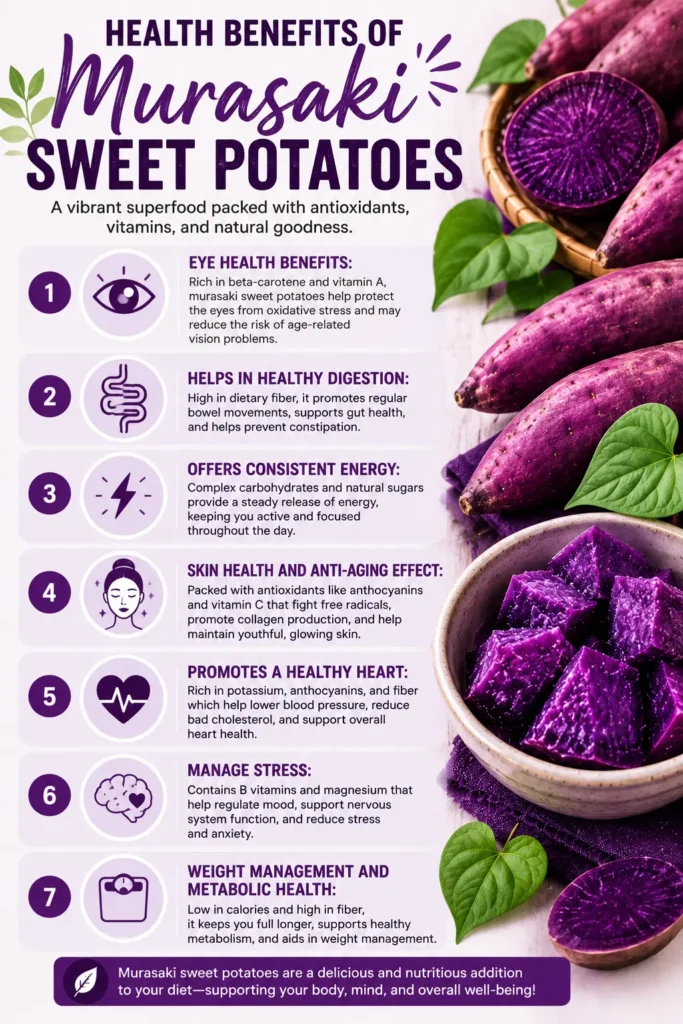
Image Reference: AI
This amazing purple-colored food comes with many health benefits:
1. Eye Health Benefits: It is naturally rich in vitamin A and carotenoids, which benefit your eye health by stimulating healthy neurons and increasing blood flow to the eyes. It reduces the dryness of the eyes and thereby protects them from oxidative stress.
2. Helps in Healthy Digestion: It has a significant portion of dietary fiber, which helps in keeping you full for a longer time, therefore making you feel lighter and more relaxed. This also aids in a smoother digestive process and creates bulk in stool and, because of the high fiber level, supports beneficial bacteria in the intestines. It also helps your body absorb more nutrients naturally.
3. Offers Consistent Energy: Murasaki potatoes provide a source of complex carbohydrates and fiber, which helps the body maintain a slow, consistent energy supply. So you don’t have an energy crash and stay satisfied and energized for a long time.
4. Skin Health and Anti-Aging Effect: Rich in antioxidants, vitamin A, and vitamin C, this sweet potato naturally fights the oxidative stress caused by pollution and environmental stress and helps in stimulating the collagen formation and improving the natural elasticity of the skin.
5. Promotes a Healthy Heart: The potassium included in these sweet potatoes helps manage blood pressure, therefore the cultivator’s use of sweet potatoes will keep your cholesterol levels and heart healthy due to its high fibre content and natural antioxidant
6. Manage Stress: Magnesium content present in Murasaki helps in relaxing your muscles and neurological system. This naturally improves your mood and sleep quality, making your body more active and refreshed, ready to deal with any stress.
7. Weight Management and Metabolic Health: This amazing purple-colored food is rich in fiber and resistant starch. It helps in keeping you satiated for a long time and reduces your unnecessary cravings, which keep your blood sugar levels stable and promote better weight management and metabolic balance.
How to Cook Murasaki Sweet Potatoes?
Murasaki sweet potatoes, as compared to orange varieties, have lower moisture, so while cooking, it is important to keep in mind not to overcook them, as they can easily dry out. If you want to enjoy them, cook them gently so their creamy, chestnut-like texture is more enhanced.
You can cook them in many ways:
1. Roasted Murasaki Wedges
This is one of the easiest and most popular ways to enjoy them:
- Just simply cut potatoes into wedges and keep their skin on for extra nutrients and texture.
- Toss it with olive oil, and add some sea salt and a little rosemary or paprika according to your taste.
- Roast at 200°C (400°F) for 25-30 minutes until edges are crisp and center is soft and tender.
2. Baked Whole
Baking keeps them soft and fluffy inside, similar to mashed potatoes.
- If you want a softer potato, just poke holes in the top of the potato and wrap it in aluminum foil before baking.
- Bake a potato at 190°C (375°F) for about 45 to 60 minutes or until the potato is cooked all the way through.
- To make your baked potato taste better, add a little olive oil or tahini to it after you remove it from the oven.
3. Mashed with Coconut Milk
Oh, this creamy combination comes with a perfect creamy mash. You just have to.
- Cut murasaki potatoes into chunks and boil them until they get soft.
- Then mash with coconut milk and add a pinch of salt.
- It brings out their natural nutty sweetness and gives a smooth, comforting texture.
You can try many more recipes, according to your taste and preferences. Like:
- Fries – If you’re feeling a little hungry in the evening, you can’t go wrong with Murasaki potato fries. Just cut and bake them or add some oil and air-fry them, then season however you like for a uniquely healthy but very crispy snack.
- Toast: Make your wholesome toast more nutritious and vibrant. Simply slice a Murasaki potato, bake it, and top it with avocado, eggs, and your favorite spreads for quick meals.
- Soup – For something light yet nutrient-rich, blend the boiled Murasaki potatoes with your stock and a little coconut milk until smooth.
- Salad – The color of your potato will give your salad a really nice look and nutritional value. Add roasted cubes to the salad mix along with some greens, chickpeas, and dressing for a great and filling meal.
- Curry: You can make your curry more nourishing and rich by simply adding murasaki potatoes in coconut milk with spices for a rich, flavorful, hearty, and mouthwatering dish.
- Pancakes – Kids love them, so why not make it a healthier option by mixing mashed potatoes and flour to make sweet pancakes for a healthy breakfast.
- Dessert Mash – This is easy for everyone to prepare; combine it with honey and cinnamon for a sweet dessert.
Murasaki vs. Regular Sweet Potatoes: What’s the Difference?
| Feature | Murasaki Sweet Potatoes | Regular Sweet Potatoes (Orange) |
| Origin | Developed in USA (Louisiana State University) | Grown widely across Asia, Africa, and Americas |
| Appearance | Purple skin, white to pale yellow flesh | Orange skin and bright orange flesh |
| Taste | Mildly sweet with nutty flavor | Sweeter and richer taste |
| Texture | Dry, fluffy, slightly starchy | Soft, moist, and creamy |
| Moisture | Lower moisture | Higher moisture |
| Nutrients | Fiber, potassium, vitamin C | High in vitamin A (beta-carotene) |
| Antioxidants | Anthocyanins for cell protection | Carotenoids for eye and skin health |
| Calories (100g) | 80-90 kcal | 85-95 kcal |
| Cooking Use | Roasting, baking, fries | Soups, mashing, desserts |
How to Store Murasaki Sweet Potatoes?
- Store Murasaki sweet potatoes in a cold, dark and dry place, away from light and wet places. The recommended storage temperature is 13-16°C (55-60°F).
- Store in a well-ventilated basket, cardboard box or open container so that air can circulate correctly
- Do not refrigerate fresh whole potatoes, as the cold might change the texture, flavor and quality
- Do not wash them before keeping; keep them dry until you are ready to cook
- Under proper conditions, they can stay fresh for about 1-2 months
- If cut, store the pieces in an airtight container in the refrigerator and use them soon for best freshness
Conclusion
Filled with nutrition, Murasaki sweet potatoes are very comforting foods that bring mild sweetness and good texture to your meals. Though they are slightly different from orange sweet potatoes, they are packed with natural fiber, vitamins, and plant nutrients.
What makes them so special is their versatility. You can roast, bake, and mash them. If you are a soup lover, then you can make a nutritious soup with this amazing food. They also make a good snack option without adding extra calories. And you don’t have to put in extra effort to make them part of your daily meals. They easily fit into your cooking style, leaving you more satisfied and energetic.
FAQs
1. Are Murasaki sweet potatoes suitable for a keto diet?
Murasaki sweet potatoes contain a high amount of carbohydrates that will not go well with your ketogenic diet. So, if you are strictly following a keto diet, you cannot eat Murasaki sweet potatoes regularly. Though naturally this amazing food is full of nutrients, fiber, vitamins, and antioxidants, its high carb content can easily exceed the low-carb limit required in a keto diet.
2. Are Murasaki sweet potatoes good for diabetics?
Murasaki sweet potatoes can be included in a diabetic-friendly diet, but only if you are eating them in moderation. If you are diabetic, eat them boiled or steamed. The fiber present in them will help in sugar absorption without spiking sugar levels.
3. Do Murasaki sweet potatoes aid in weight loss?
Yes, Murasaki potatoes can help you with weight loss, as they are naturally fiber-filled and keep you satiated for longer. This naturally makes you cut down on unnecessary snacking, and it is naturally low in calories as well.
4. Can I eat Murasaki sweet potato skin?
Yes, you can eat murasaki sweet potato skin. It is purple in color and naturally enriched with nutrients, fiber, and antioxidants. When you cook a sweet potato, it softens down and gives you an earthy flavor while keeping all the nutrients intact.
5. Are Murasaki sweet potatoes nutritious food?
Murasaki sweet potatoes are an excellent source of nutrition. This gorgeous purple vegetable is rich in many vitamins, minerals, and antioxidants (including anthocyanins), making it a particularly healthy food. Murasaki is known to aid in the promotion of healthy digestion and heart improvement as well as to assist with building your immune system.
Reference URL: https://www.everydayhealth.com/